
The site publisher has 25 years of experience in conflict resolution. Their goal is to help facilitate access to the law and amicable dispute resolution procedures. Everything is free on this site. To contact the site publisher, see Legal Notice.

STEP 4
«Votre-litige» analyzes the dispute and proposes in-person conciliation or remote mediation. With a very busy schedule, Alice chooses remote mediation
STEP 1
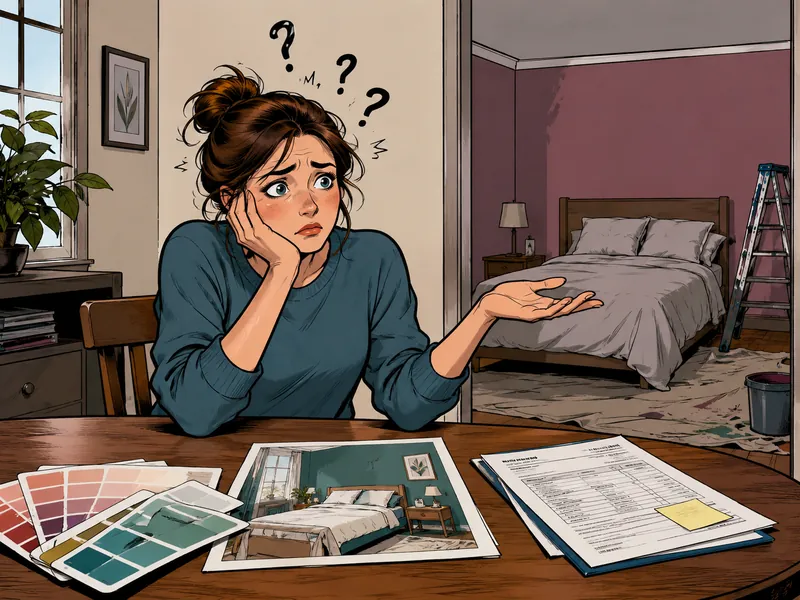
Alice has a problem: Bob repainted her wall, and part of it is damaged. She takes a photo and calls Bob to ask him to come over and take a look.

STEP 2
Bob goes to Alice's house, and they try to resolve the issue amicably, but in the end, they can't reach an agreement.

STEP 3
The dialogue is broken. Alice then sends Bob a complaint email mentioning her request, within what timeframe and why.

STEP 5
Étienne, the mediator, steps in. He contacts Alice and Bob and facilitates their remote discussions. Their positions shift, then harden. Étienne then proposes a balanced solution. Bob rejects it, and the mediation therefore fails.

STEP 6
Alice then sends a formal notice by registered letter with acknowledgement of receipt to Bob, confirming her total claim (€4,500), its justification, and the deadline to comply before she initiates legal proceedings.

STEP 7
The formal notice remains unresolved after the deadline. Votre-Litige helps Alice identify the appropriate court. She goes to the court clerk’s office to file a petition with the court, without a lawyer or bailiff, because the amount in dispute is less than €5,000.

STEP 8
The judge summons Alice and Bob to a court hearing. He hears them, questions them, and rules on the spot as a court of last resort (a decision that cannot be appealed), ordering Bob to pay €3,000 to Alice.
Warning: Votre-Litige provides general information only. The website does not offer personalized legal advice. Users of the website remain solely responsible for the actions they take. Use of the website implies acceptance of this limitation of liability. The process described here ends at the first level of jurisdiction, because Most disputes involve amounts under €5,000 and are not subject to appeal. Please note: Simply referring a matter to a conciliator or mediator does not necessarily suspend the statute of limitations. If this period is nearing its end, you should immediately verify whether any action can be taken to interrupt or suspend it.